How to Clean and Care for Custom Coasters: A Material-by-Material Guide
Custom coasters last longest when you clean them by material: wipe slate, ceramic and acrylic with a damp cloth and mild soap, hand wash neoprene in cool water, and blot cork and wood dry right away. Custom Coasters HQ engraves or prints every coaster to suit how it will be used, so a little routine care keeps your logo sharp for many services.
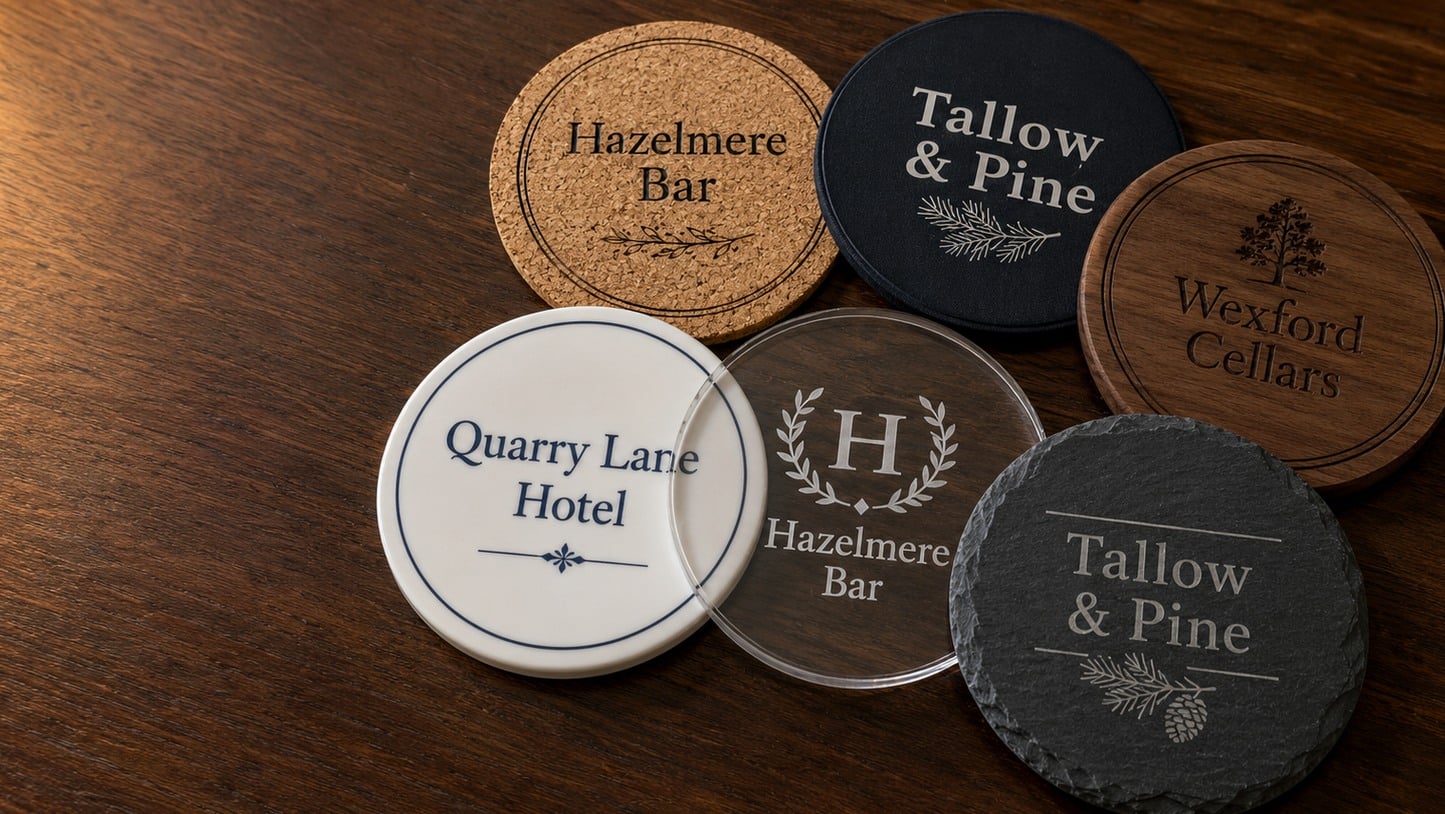
- Mild soap and a soft cloth are safe for every coaster material
- Engraved logos are cut into the surface and resist heavy wiping
- Dry porous coasters like cork and wood flat before stacking
- Custom Coasters HQ starts at a minimum of 12, with a free mockup within 24 hours
- Standard turnaround is about 2 weeks after you approve the design
How do you clean custom coasters without damaging the logo?
Clean custom coasters by matching the method to the material: wipe hard coasters like slate, ceramic and acrylic with a soft damp cloth and mild soap, hand wash neoprene in cool soapy water, and spot clean cork and wood with as little water as possible. Custom Coasters HQ recommends gentle cleaning for every material, because harsh scrubbing is what wears a logo first, not daily drinks.
The decoration method matters as much as the material. Laser engraving cuts the design into the coaster surface, so an engraved slate or wood coaster can take a firmer wipe without losing the mark. Printed coasters carry ink on or just under the surface, so abrasive pads, bleach and strong degreasers can dull the colors over time.
A simple routine works for most bars, offices and homes:
- Remove the coaster from under the glass and shake off loose debris.
- Wipe the face with a soft cloth dampened in water and a drop of mild dish soap.
- Rinse the cloth and wipe again with plain water to remove soap film.
- Pat the coaster dry with a towel and let it air dry fully, face up, before stacking.
Skip the dishwasher unless you have tested one coaster first. High heat and strong detergent are hard on cork, wood and printed faces, and a single test coaster costs far less than a ruined stack. If you want a coaster that tolerates heavy cleaning, say so on the quote form and the team will point you to the right material and decoration.
Which custom coaster materials last the longest with daily use?
Slate, ceramic and acrylic coasters tend to last the longest with daily use because their hard surfaces shrug off moisture and wipe clean, while neoprene wins for flexibility and spill handling. Cork and wood coasters hold up well when they are dried between uses. Pulpboard coasters are made to be used briefly and replaced, so their lifespan is measured in services rather than seasons.
| Material | Best cleaning method | Main wear risk | Best fit |
|---|---|---|---|
| Slate | Damp cloth, mild soap, towel dry | Chipped edges if dropped on hard floors | Cocktail bars, premium gifts |
| Ceramic | Damp cloth or gentle hand wash | Cracks from hard knocks | Gift shops, souvenirs, home sets |
| Acrylic | Soft cloth, mild soap, no abrasives | Fine scratches from gritty cloths | Modern offices, photo coasters |
| Neoprene | Hand wash in cool soapy water, air dry | Fading from harsh detergent | Busy bars, patios, outdoor events |
| Cork | Spot clean, dry quickly | Staining from wine and coffee | Cafes, wineries, eco-minded brands |
| Wood | Wipe and dry, occasional oil | Swelling or warping if left wet | Breweries, rustic venues, gifts |
| Pulpboard | Not cleaned; replaced | Soaks through with heavy condensation | High-volume taprooms, one-night events |
The right answer depends on how the coaster is used. A coaster that lives on a quiet desk can be almost any material, while a coaster on a crowded bar top needs to survive spills, stacking and fast wiping all night.
How should a bar care for slate and stone coasters?
Slate coasters stay sharp in a bar when staff wipe them with a damp cloth, dry them face up and store them flat rather than tossed into a bin. Slate is naturally layered stone, so the main risk is a chip from a drop onto tile or concrete, not water damage. Custom Coasters HQ engraves slate so the logo is cut into the stone and does not rub off.
Most slate coasters come with small protective feet or a backing on the underside. Check those backings when you clean, since a missing pad can let the stone scratch a polished bar top. Keep slate away from acidic cleaners such as strong citrus or vinegar sprays, which can leave a dull haze on the surface.
- Daily: wipe, dry, stack with a soft layer between pieces if they are polished.
- Weekly: check edges and backing pads, and pull any chipped coaster from service.
- Optional: a light wipe of food-safe mineral oil deepens the dark color of natural slate.
Because slate is heavy, it suits seated cocktail service better than a crowded standing bar where coasters get knocked to the floor. The slate vs wood guide walks through that choice in more detail.
How do you keep cork and wood coasters from staining or warping?
Cork and wood coasters stay looking new when they are dried promptly and never left soaking in standing water. Both are natural, porous materials, so they absorb moisture and color from red wine, coffee and dark beer. A quick blot after a spill and air drying before stacking prevent most stains and nearly all warping.
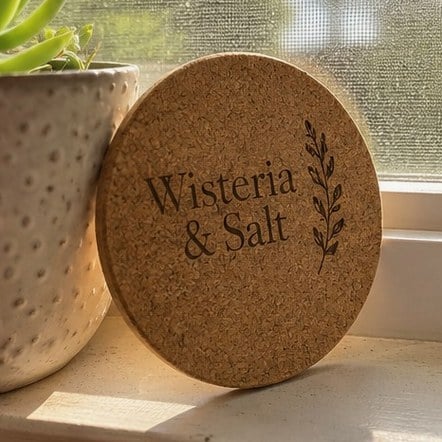
Cork coasters are forgiving and lightweight, which is why cafes and wineries like them. A light stain on cork often fades with a gentle scrub using a damp cloth and a little baking soda paste, then a plain water wipe. Avoid bleach, which can lighten the cork unevenly around your logo.
Wood coasters reward a little maintenance:
- Wipe with a barely damp cloth and dry right away.
- Rub in a small amount of food-safe wood oil now and then to keep the grain from drying out.
- Store wood coasters away from heaters, sunny windows and dishwashers, since fast drying and heat cause cracks and cupping.
Engraving is a natural match for both materials because the mark is part of the surface. On wood, each coaster shows slightly different grain behind the logo, which most buyers see as a feature. See the engraved custom coasters page for how engraving looks on each material.
Can neoprene and acrylic coasters handle heavy cleaning?
Neoprene coasters handle frequent washing better than most materials, while acrylic coasters handle frequent wiping but scratch if cleaned with anything gritty. Neoprene is a soft rubber-like material that bends instead of breaking, and its fabric top absorbs drips. Acrylic is rigid and glossy, so it looks crisp under bar lighting as long as you treat the surface gently.
For neoprene, soak a stack briefly in cool water with mild soap, rub the face lightly, rinse and lay flat to air dry. Hot water and strong detergent can fade printed colors over many washes, and a clothes dryer can curl the edges. Many busy bars keep a second set in rotation so one batch dries while the other is in use; the cork vs neoprene comparison covers that tradeoff.
For acrylic, use a microfiber cloth and mild soapy water only. Paper towels, scouring pads and glass cleaners with ammonia can leave fine scratches or a cloudy film. If a clear acrylic coaster carries a printed photo or logo, wipe in one direction and dry with a fresh cloth to keep streaks off the surface. Ceramic coasters follow similar rules; the acrylic vs ceramic guide explains how each one wears.
How should you store spare custom coasters between uses?
Store spare custom coasters flat, fully dry and out of direct sunlight, in the box they shipped in or a lidded bin. Flat storage keeps cork, neoprene and wood from curling, dry storage prevents mildew on porous materials, and darkness slows fading of printed colors. Custom Coasters HQ ships coasters packed for transport, and that packaging works well for shelf storage too.
A few habits make a big difference for bars and event planners who keep extras on hand:
- Separate hard coasters such as slate and ceramic with felt, tissue or cardboard sheets so faces do not scratch each other.
- Keep pulpboard coasters sealed until needed, since they absorb humidity from a damp stockroom.
- Label boxes with the design name and the date you received them, which makes it easy to match a reorder later.
- Rotate stock so older coasters go into service first.
For seasonal designs, such as a holiday or anniversary coaster, store the leftovers with a copy of the approved mockup. When the season comes around again, you can send that mockup with your request and get a matching batch without starting artwork from scratch.
When should you replace worn custom coasters?
Replace custom coasters when the logo is no longer crisp, the edges are chipped or frayed, or the coaster no longer lies flat under a glass. A worn coaster sends the opposite message from the one you paid for, so most venues swap them before guests notice. Custom Coasters HQ keeps your approved design on file, which makes replacing a batch straightforward.
Watch for these signs during a regular check:
- Faded or patchy printed colors on neoprene, acrylic or pulpboard.
- Stains that do not lift from cork or wood.
- Warped wood or curled neoprene that rocks under a glass.
- Chipped slate or cracked ceramic, which can scratch tables or cut fingers.
Replacement is also a chance to upgrade. If a printed coaster wore out quickly in a busy bar, an engraved slate or wood coaster may last longer in the same spot. The minimum order is 12, so you can trial a new material on one section of the bar before switching the whole room. You will get a free mockup within 24 hours, standard turnaround is about 2 weeks after approval, and you pay nothing until you approve the design. Start with the how it works page or go straight to the custom quote form.
Frequently asked questions
Can slate coasters go in the dishwasher?
Slate coasters are best cleaned by hand with a damp cloth and mild soap rather than in a dishwasher. High heat and strong detergent can loosen the protective backing pads and dull the natural finish of the stone. Custom Coasters HQ engraves its slate coasters, so the logo itself survives regular wiping, but hand cleaning keeps the edges, backing and dark color looking their best for longer.
How do I remove a red wine stain from a cork coaster?
A red wine stain on a cork coaster lifts best when you blot it right away, then scrub gently with a damp cloth and a small amount of baking soda paste. Rinse with a plain water wipe and let the coaster air dry flat. Older stains may only lighten rather than disappear, so venues that serve plenty of red wine often prefer neoprene or slate coasters.
Will washing neoprene coasters make the printed logo fade?
Neoprene coasters keep their printed logos longest when washed in cool water with mild soap and laid flat to dry. Hot water, bleach, strong detergent and clothes dryers are what speed up fading and curling. Custom Coasters HQ suggests rotating two sets in a busy bar, so each batch gets washed less often and has time to dry fully between shifts.
Should I oil wood coasters, and how often?
Wood coasters benefit from an occasional light coat of food-safe wood oil whenever the grain starts to look dry or pale. Apply a thin layer with a soft cloth, wipe off the excess and let the coaster rest before use. Oiling helps wood resist moisture and keeps engraved logos looking crisp against the grain, which matters for breweries and rustic venues that use them daily.
What cleaner should I avoid on acrylic coasters?
Acrylic coasters should never be cleaned with ammonia-based glass sprays, scouring pads, paper towels or anything gritty. Those products leave fine scratches and a cloudy film on the glossy surface. A microfiber cloth with mild soapy water is all acrylic needs. Custom Coasters HQ prints acrylic coasters with logos and photos that stay clear when cleaned this gently.
How can a bar dry reusable coasters quickly after closing?
Reusable coasters dry fastest when spread out in a single layer, face up, on a clean rack or towel with some airflow. Stacking damp coasters traps moisture, which leads to odors on neoprene and warping on cork and wood. Many bars set up a drying spot near the back bar so the closing crew can lay coasters out before leaving for the night.
Do engraved coasters hold up better than printed coasters over time?
Engraved coasters usually hold up better to heavy wiping because the design is cut into the surface instead of sitting on top of it. Printed coasters offer full color and photos, but harsh cleaning can wear the ink sooner. Custom Coasters HQ can recommend engraving or printing based on how often your coasters will be cleaned and how many colors your logo needs.
Can custom coasters be used outdoors on a patio?
Custom coasters can work well outdoors when you choose a material that tolerates sun and moisture. Neoprene and slate handle patio use well, while cork, wood and pulpboard prefer covered areas. Bring outdoor coasters in at night and let them dry fully. Mention patio use on your Custom Coasters HQ quote request so the team can suggest a material that suits your space.
Why do some cork coasters curl at the edges?
Cork coasters curl when one side absorbs more moisture than the other, usually from a wet glass sitting on top while the underside stays dry. Drying cork coasters flat and face down for a while after a spill helps them settle back. Storing them in a stack under light weight, such as inside their original box, also keeps the edges flat between uses.
Is it safe to keep using a chipped ceramic or slate coaster?
A chipped ceramic or slate coaster should be pulled from service, since a sharp edge can scratch furniture or nick a hand. Small chips tend to grow when the coaster is knocked again. Keeping a few spares from your Custom Coasters HQ order makes it easy to swap out damaged pieces without leaving a table or bar seat without a coaster.
How do I keep printed colors bright on coasters stored for next season?
Printed coasters keep their colors brightest when stored flat, dry and away from sunlight, ideally in a closed box. Ultraviolet light from windows fades ink over time, and humidity can affect cork, pulpboard and wood. Label the box with the design name and keep the approved mockup with it, so a future reorder can match the original coasters exactly.
Which coaster material needs the least maintenance for an office?
Acrylic and ceramic coasters need very little maintenance in an office, because desk use is light and both wipe clean in seconds. Slate also works well if the desks are not prone to drops. Custom Coasters HQ can print or engrave your company logo on any of these, with a free mockup within 24 hours so you can compare options before ordering.
Get a free mockup for your coasters
Send your logo or idea and the quantity you have in mind. Custom Coasters HQ returns a free mockup within 24 hours, you approve the design before anything is produced, and standard turnaround is about two weeks with faster options available. Get a custom quote.